Image by Mark Thomas from Pixabay
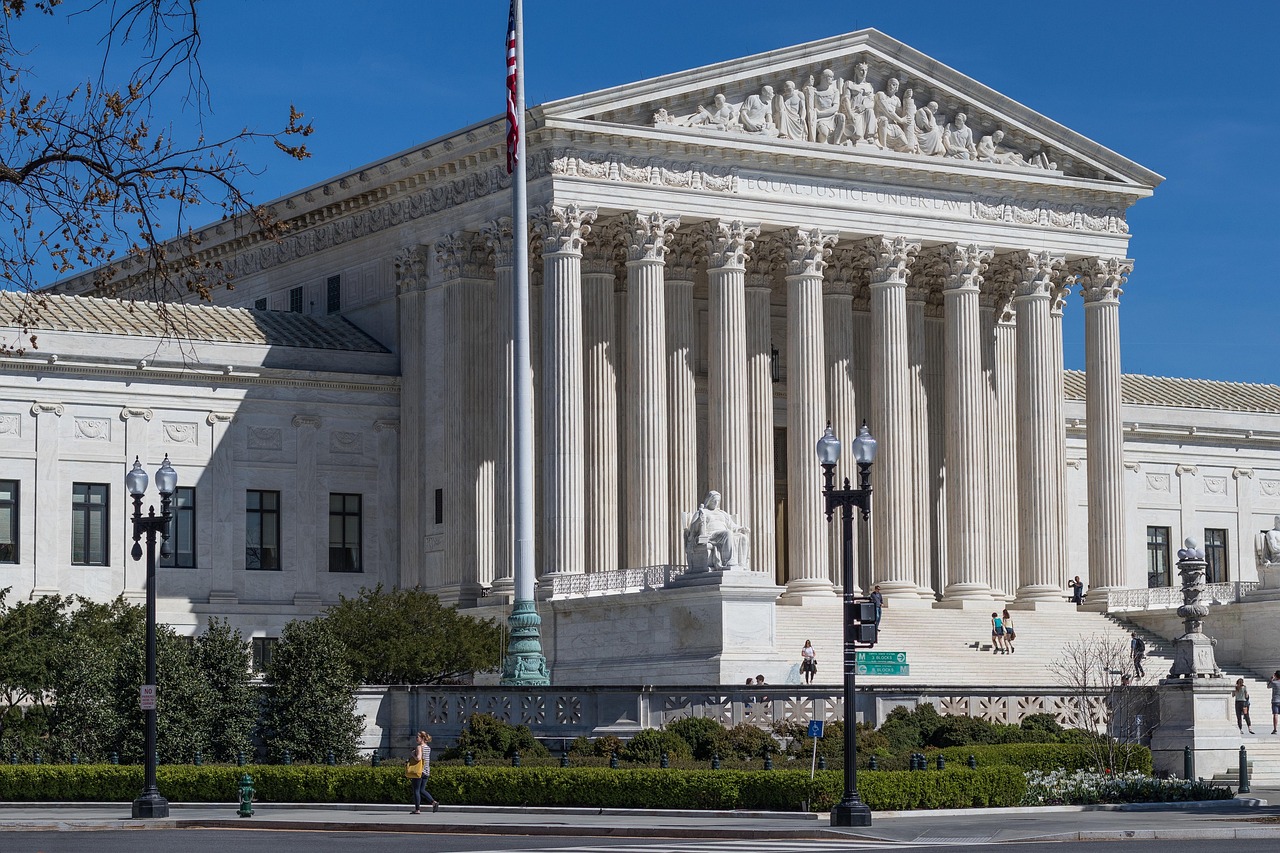
WASHINGTON, D.C. — The Supreme Court, in a 6–3 decision Friday, limited the authority of lower federal courts to issue sweeping nationwide injunctions, a move that could reshape how executive actions are challenged in court.
The ruling came in Trump v. CASA, Inc., a case centered on President Donald Trump’s attempt to end birthright citizenship for U.S.-born children of undomented immigrants.
Writing for the majority, Justice Amy Coney Barrett concluded that federal courts likely overstep their authority when issuing universal injunctions that go beyond the plaintiffs involved.
Instead, she argued, such broad remedies conflict with the Judiciary Act’s limits and the role of Article III courts.
The case did not decide the constitutionality of Trump’s birthright citizenship order but instead focused on procedural grounds.
By scaling back the scope of injunctive relief, the court has allowed the policy to potentially take effect in jurisdictions not currently part of the lawsuit.
At the heart of the controversy is the interpretation of the 14th Amendment, which grants citizenship to “all persons born or naturalized in the United States, and subject to the jurisdiction thereof.”
That language has long been understood, most notably in the 1898 United States v. Wong Kim Ark decision, to apply broadly, not just to the formerly enslaved population the amendment was initially written to protect.
While born out of the Reconstruction era to secure the rights of freed African Americans, the 14th Amendment’s Citizenship Clause has been interpreted for over a century to mean that virtually all children born on U.S. soil—regardless of their parents’ status—are U.S. citizens.
In a strongly worded dissent, Justice Sonia Sotomayor, joined by Justices Elena Kagan and Ketanji Brown Jackson, criticized the majority for “sidestepping the constitutional question” and warned that limiting court remedies could allow unconstitutional policies to proceed unchecked.
“The order’s patent unlawfulness reveals the gravity of the majority’s error,” she wrote.
President Trump praised the ruling as a “monumental victory” and called it a blow against what he described as “activist judges.”
About the Author