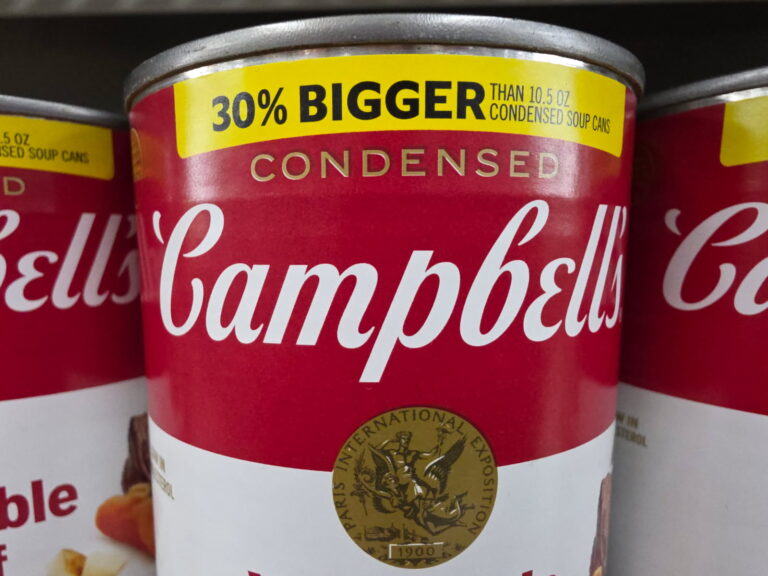
As allegations surface of a Campbell Soup Company executive claiming some foods are “not real” and referencing “3D printed chicken,” the comments have renewed public interest in a rapidly expanding sector of food technology that includes lab-engineered, 3D printed, and bio-fabricated foods.
While Campbell Soup has not been linked to 3D printed products, the technology is no longer theoretical.
Food technology startups in the United States, Europe, and Asia have already begun producing edible items using printers, cell cultures, and engineered proteins.
Industry researchers say the market is being driven by demand for alternative proteins, environmental concerns, and pressure to reduce traditional livestock production.
According to reports from the Food and Agriculture Organization of the United Nations and the Good Food Institute, companies such as Steakholder Foods, Redefine Meat, and Novameat are using 3D printing to build meatlike textures from plant-based proteins, algae, and lab-grown animal cells.
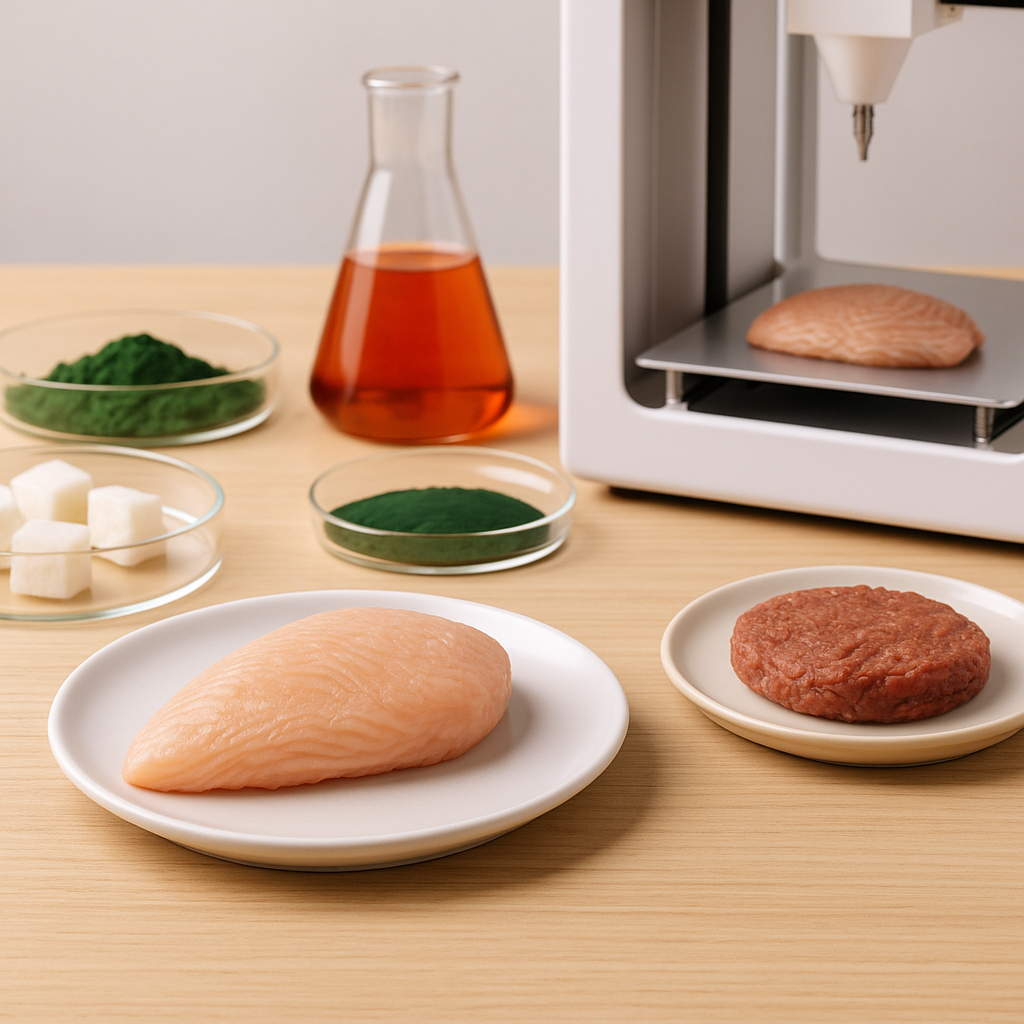
These products are created by layering material through a nozzle to form structured cuts that resemble chicken, beef, or fish.
Some prototypes have been served in high-end restaurants overseas, although United States regulatory approval for cell-cultured meat remains limited.
Beyond meat substitutes, 3D printing has been adopted in niche markets that include custom shaped pasta, chocolate, and soft foods designed for medical patients who struggle with chewing.
Researchers at universities in the United States and Europe have also experimented with printing vitamins and tailored nutrition items.
The technology has sparked debate among consumer groups and food safety advocates.
Supporters argue it offers consistent quality, reduced waste, and the potential to lessen environmental impacts.
Critics warn that the products can be highly processed, unfamiliar to consumers, and may raise transparency concerns if companies do not clearly label how the food is made.
Those concerns gained renewed attention following the lawsuit against Campbell Soup, in which a company executive was allegedly recorded referencing “bioengineered meat” and “3D printed chicken.”
A spokesperson for Campbell has stated that the comments do not reflect any verified Campbell manufacturing practices.
However, industry experts say the controversy underscores how unfamiliar food technology terms can fuel public distrust.
As the lawsuit moves forward, industry analysts expect questions about alternative protein technology and how companies communicate it to remain in the spotlight.
About the Author