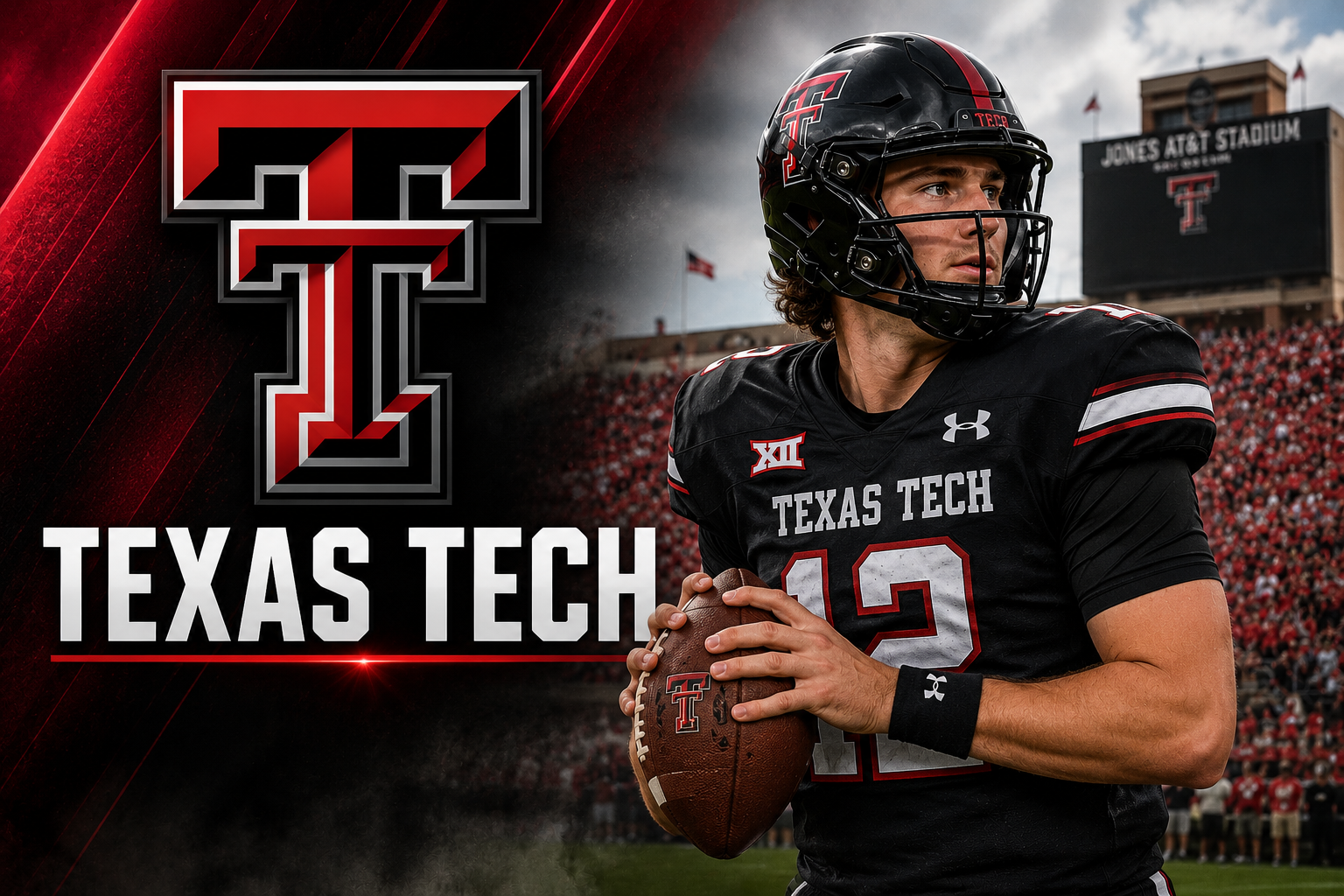
LUBBOCK — Texas Tech quarterback Brendan Sorsby remains eligible to compete while his lawsuit against the NCAA moves forward, creating a case that is drawing attention across college athletics and raising broader questions about gambling enforcement and NCAA authority.
A Texas judge granted Sorsby a temporary injunction allowing him to remain eligible after the NCAA ruled him ineligible for sports betting violations.
The NCAA determined Sorsby violated its gambling policies by placing sports wagers, including bets involving games played by his former school, Indiana.

The ruling has generated discussion throughout college athletics, where sports betting violations are considered a significant threat to competitive integrity.
According to court filings, Sorsby acknowledged placing thousands of sports bets totaling tens of thousands of dollars over multiple years.
Court records indicate some of those wagers involved Indiana athletic events while he was enrolled at the university.
The NCAA ruled Sorsby ineligible under its policies prohibiting athletes from betting on sports. However, the court’s decision temporarily restores his eligibility while the lawsuit proceeds.
The judge’s order reportedly requires Sorsby to serve a two-game suspension and continue receiving treatment related to gambling behavior.
The ruling has also prompted reaction across college sports. According to multiple national reports, athletic directors within the Big 12 Conference have discussed potential responses to the decision, including concerns about competing against a player previously ruled ineligible by the NCAA.
While reports indicate conference officials have explored possible options, no school has publicly announced plans to boycott Texas Tech or refuse to play the Red Raiders.
No conference has removed Texas Tech from its schedule, and no university has officially stated it will not compete against the program.
The NCAA has appealed the injunction and maintains that gambling violations involving athletes present a serious threat to the integrity of competition.
NCAA officials have argued that allowing courts to override eligibility decisions could weaken the organization’s ability to enforce its rules.
The case arrives as college athletics continues to adapt to changes involving athlete compensation, name, image and likeness opportunities, and increasing legal challenges to NCAA regulations.
For Texas Tech, the ruling preserves the eligibility of a quarterback expected to contribute during the 2026 season. For the NCAA, the case represents another legal challenge to its authority over athlete eligibility decisions.
The controversy has also prompted discussion among athletic administrators about how gambling violations should be handled and whether courts should intervene in NCAA disciplinary matters before the appeals process is completed.
Sports betting has become a growing area of concern for the NCAA as legalized wagering expands across the country. NCAA officials have repeatedly said gambling activity involving athletes and team personnel can undermine confidence in the integrity of competition.
As the legal battle continues, Sorsby remains eligible to compete under the court’s order. The NCAA’s appeal and the ongoing debate among conference officials ensure the case will remain a closely watched issue as the 2026 college football season approaches.
The lawsuit remains pending.
About the Author